By Lucas Taylor
CONSERVATIVE
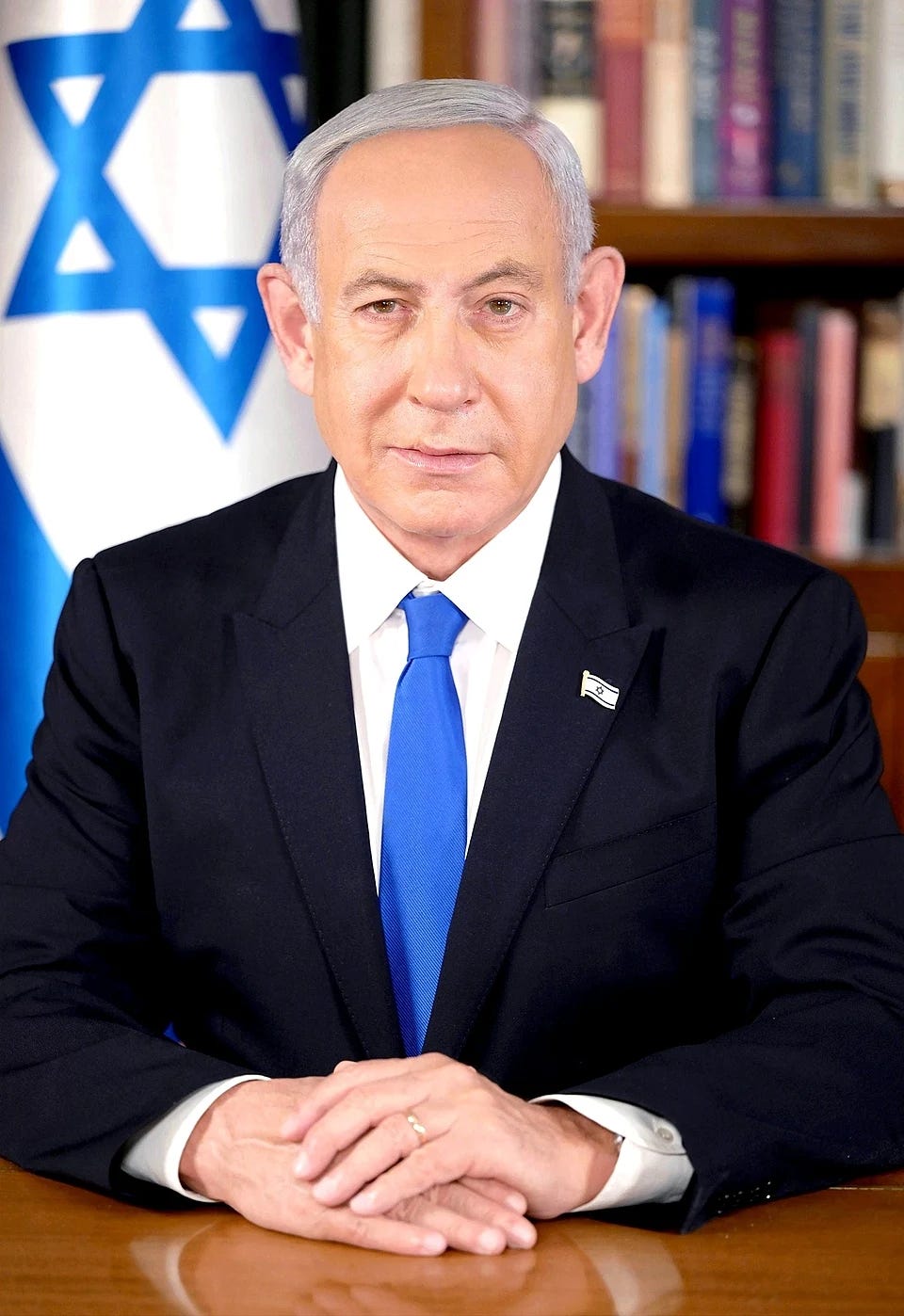
Photo: Avi Ohayon / Government Press Office of Israel
‘Bibi’ Benjamin Netanyahu is fighting to be re-elected for a historic 7th term in the first Israeli elections since the October 7th terrorist attacks, with a believed 70,000 Israelis flying back to the country to vote.
These elections may be the most consequential in the country’s history, pitting the right against a joint centrist/left-wing bloc. Prime Minister Netanyahu believes national security is paramount, reflected by his campaign slogan “No Surrender”. In contrast, his leading opponent, Gadi Eisenkot, believes this election should present Israel to the world as a democratic, liberal country.
The final voting intention poll projections, published before polling stations open in accordance with Israeli law, have projected that Gadi Eisenkot’s Yashar party is set to win 23 seats over Netanyahu’s Likud Party with 19 seats. Overall, the opposition alliance is ahead by 52 seats compared to the incumbents’ religious and nationalist bloc at just 50 seats. This leaves the Arab parties that were defended by the Supreme Court holding the balance of power in deciding who to form a coalition with for the next government.
The figure described as the most polarising in Israeli politics is actually not Netanyahu, but is undoubtedly Security Minister Ben Ghavir. His far-right party Otzma Yehudit has swayed many young voters to the hard right, with sources claiming that 18% of first-time voters will be heading to the polls to vote for the party, giving them the highest share in the youth vote. He has centred his campaign on the conflict with Palestine, boasting about how he has cut food portion sizes for Palestinian detainees saying that “they come in fat and they come out skinny.” He was fined by the Election Committee, which he has already had disputes with in relation to if he should even be allowed to run, due to his past convictions for supporting a terrorist group and for using state prison footage in official electoral campaign videos. He has also publicly celebrated introducing brutal new laws such as those that would allow the hanging of Palestinians, as well as their forced removal, saying “I do not care, Jews are above the law”. He also reportedly took his current wife on their first date to the grave of Baruch Goldstein, who committed the Cave of the Patriarchs Massacre, which killed 29 Palestinian worshippers who were praying during Ramadan. Whilst Gvir’s hardline rhetoric may be vital for mobilising the right-wing vote, it has threatened to alienate moderate voters.
As highlighted, Netanyahu has focused his campaign on national security, specifically fighting Hamas and Iran, using his last appearance on national TV to warn that if Eisenkot gets into power then Iran may get a nuclear weapon and use it on Israel.
He continued to make this claim on his Instagram pages with AI photos and videos appearing to show Eisenkot as a character in Grand Theft Auto, in order to appeal to younger voters. Alongside this, people have claimed that he may be leaning into jokes around him and President Trump, by making AI videos of Trump supporting him. One even showed President Trump saying Bibi Netanyahu is a “wonderful man, a great man, very brave, big balls.”
Gaidi Eisenkot on the other hand is a political outsider and ex-military chief who lost his 25-year-old son when he fought for Israel. He has run a campaign strongly against Netanyahu, centring his campaign around “less division, more unity, stronger leadership.” He is not however running a campaign on a majorly different approach to the Palestinian conflict, still supporting the military operations in Gaza, Lebanon, and Iran, calling demands for a Palestinian state “irrelevant.” He does strongly criticise how Netanyahu led the country before and after the October 7th attacks though, calling for an inquiry into October 7th, which 71% of Jewish Israelis and 52% of Arab Israelis support. Analysts and pollsters have said that an inquiry could influence 27% of undecided and moderate voters, favouring a government that addresses intelligence and state failures, but one that is conducted without political interference.
A major topic that divides the 2 leading parties is whether the Ultra-Orthodox Jewish community should be exempt from military service. Netanyahu supports the extension, which won him the support of the religious parties before the election, whereas Eisenkot believes that they should serve just like other citizens, ending the historic exemption.
With the Bank of Israel predicting growth of 5.6% at the end of this year and 7.5% in the next, unemployment dropping to 3%, and Netanyahu announcing a major IDF offensive in Judea and Samaria ahead of the election, he may rise again in the polls with this image of him being tough on security and a stronger economy. As in the past, Bibi may just beat the odds and take on a 7th term.
Who wrote this?